Construction runs on sourcing and procurement. Cement, steel, subcontractors, machinery, transport each decision influences cost, timelines, and margin. Yet across the sector, sourcing procurement still depends on instinct, long-standing vendor relationships, and scattered spreadsheets. That approach leaves too much room for cost leakage and weak control across the procurement process.
Research across global construction markets reveals a hard truth: 20–30% of project spend disappears through procurement inefficiencies. The causes are consistent for poor supplier evaluation, reactive purchasing cycles, uncontrolled change orders, and fragmented tendering practices. Without a disciplined procure to pay process, spending drifts, supplier performance slips, and project budgets take the hit.
There is a different path. Construction firms that adopt structured strategic sourcing and digitize sourcing and procurement through platforms like Odoo ERP are reporting cost reductions of 20% and beyond. Gains come from tighter control over supplier selection, transparent E tendering procurement workflows, and a procurement process that connects planning, purchasing, and payments into one accountable flow.
This blog post lays out a practical way for procurement leaders and project directors. The focus: transforming how construction organisations manage sourcing and procurement, elevate tendering outcomes, and bring discipline into the procure to pay process so savings show up where they matter most: project margins.
Why Construction Procurement Is Complex And Costly
Construction brings a level of complexity to sourcing and procurement that few sectors face. Cost pressure does not come from one source that builds across shifting project demands, layered supply networks, and time-sensitive decisions that leave little room for error. Without discipline in the procurement process, cost leakage becomes unavoidable.
What Makes Construction Procurement Different:
1. Project variability at scale
No two projects follow the same path. Material requirements, quantities, specifications, and timelines evolve throughout execution. This constant change places pressure on sourcing procurement teams to adapt quickly, which disrupts consistency in the procure to pay process.
2. Multi-layered supply ecosystems
Construction supply chains involve contractors, subcontractors, vendors, and labour networks operating at once. Each layer introduces dependencies, making strategic sourcing harder to enforce without a structured system that connects all stakeholders.
3. Price volatility across key materials
Steel, timber, cement, and fuel shift in price across short periods. Without disciplined sourcing and procurement, firms end up locking in unfavourable rates or purchasing under pressure, increasing overall project costs.
4. Time-sensitive procurement decisions
Procurement delays carry immediate consequences. A missed purchase order can halt site activity, delay subcontractors, and trigger penalty costs. This urgency drives reactive behaviour across the procurement process, weakening cost control.
The Four Core Cost Leakage Points
Reactive sourcing:
Decisions made under pressure lead to unverified pricing, limited supplier comparison, and missed opportunities for savings. Without structured strategic sourcing, procurement becomes transactional rather than value-driven.
Fragmented tendering:
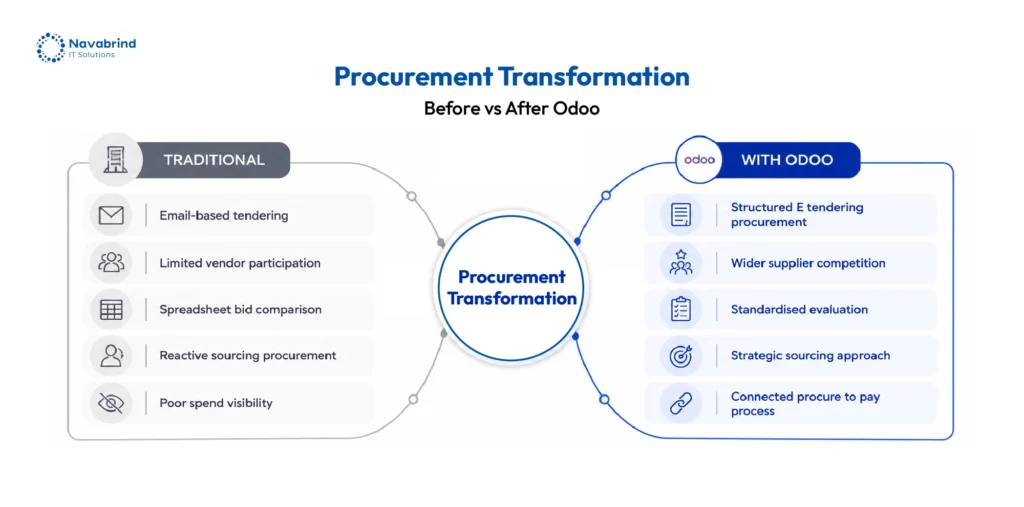
When tendering runs through emails and disconnected files, visibility drops. Teams lose track of bids, revisions, and supplier responses. This weakens negotiation leverage and creates inconsistency in E tendering procurement practices.
Supplier over-reliance:
Familiar vendors become the default choice. Without competitive evaluation in sourcing and procurement, pricing remains unchecked and supplier performance lacks accountability.
Poor spend visibility:
Across multiple active projects, committed spend remains scattered. Without a connected procure to pay process, leadership cannot track obligations, forecast costs, or control budgets with confidence.
The Strategic Sourcing Imperative in Construction
In construction, strategic sourcing defines how organisations take control of sourcing and procurement across the project lifecycle. This approach relies on data, supplier intelligence, and disciplined execution to evaluate the market, qualify vendors, negotiate contracts, and manage supplier performance not only when demand arises, but from project planning through completion.
Strategic Sourcing vs. Transactional Buying:
Transactional buying reacts to immediate needs. Teams raise requests, compare limited quotes, and place orders under time pressure. This creates supplier dependency, inconsistent pricing, and exposure to market fluctuations within the procurement process. In contrast, strategic sourcing builds long-term leverage. Procurement teams establish competitive supplier pools, negotiate favourable terms in advance, and create pricing stability across projects. The result: controlled sourcing procurement, stronger supplier accountability, and predictable cost outcomes within the procure to pay process.
The Strategic Sourcing Cycle in Construction
Spend analysis:
Procurement teams break down spend by trade packages, material categories, and project types. This reveals where volume concentration exists and where sourcing and procurement can unlock negotiation leverage.
Market analysis:
Current supplier pricing is benchmarked against market rates. Teams identify alternative vendors, assess supply risks, and evaluate emerging sourcing options to strengthen procurement tendering decisions.
Supplier segmentation:
Suppliers are classified based on impact and performance strategic partners, preferred vendors, approved suppliers, and spot-buy vendors. This segmentation sharpens control across sourcing procurement and reduces over-reliance on limited vendors.
Negotiation and contracting:
The focus shifts from one-off negotiations to long-term agreements. Framework contracts and rate agreements stabilise pricing, secure supply, and strengthen control over the procure to pay process.
Performance management:
Supplier delivery timelines, quality standards, and commercial compliance are tracked across projects. This ensures that sourcing and procurement decisions translate into consistent execution on-site.
The High-Impact Insight
Strategic sourcing is not optional in construction.
Material and subcontracting costs account for 40–60% of total project value. That makes sourcing and procurement the single highest-leverage function for cost control. Organisations that treat sourcing procurement as a structured discipline supported by strong procurement process governance and connected E tendering procurement practices gain measurable control over cost, risk, and supplier performance.
Schedule a conversation with us now!
Related Articles








 Post
Post Post
Post